Scars Sell Better Than Highlights: The Rise of the Messy Creator Economy
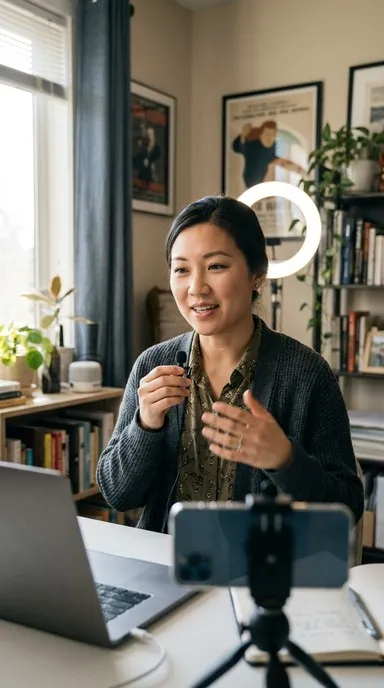
Photo: creator filming authentic behind the scenes messy workspace honest moment, via images.stockcake.com
There's a version of the internet that still believes the path to a loyal fanbase runs straight through a ring light, a flawless aesthetic, and a content calendar that never misses. That version is aging fast. What's actually working — what's building real, durable communities around real people — looks a lot more like someone filming themselves cry-laughing at a business idea that completely flopped.
Welcome to the authenticity economy. It's messy, it's honest, and it's honestly kind of beautiful.
Why Nobody Trusts the Perfect Creator Anymore
American audiences have been burned. Years of aspirational content — the perfectly curated lifestyle, the six-figure launch that seemed effortless, the relationship that looked like a movie — eventually cracked under the weight of reality checks, exposés, and collective exhaustion. People started asking: who actually lives like this?
The answer, more often than not, was nobody. And once audiences clocked the performance, the trust evaporated.
Here's the thing about trust: it's not built through admiration. It's built through recognition. When someone watches a creator stumble through a failed product launch, sit with the embarrassment, and then come back to unpack what went wrong — they don't think less of that person. They think, that's literally me. And that moment of recognition is worth more than a thousand polished testimonials.
Psychologists call it the pratfall effect — the phenomenon where a competent person becomes more likable after showing a flaw or making a mistake. It humanizes them. It closes the gap between the person on screen and the person watching. And in a creator economy where parasocial relationships drive everything from merch sales to Patreon subscriptions, closing that gap is the whole game.
The Documented Failure as a Career Strategy
Let's talk about what this actually looks like in practice, because "be authentic" is advice so overused it's basically meaningless at this point. The creators who are genuinely leveraging imperfection aren't just venting — they're documenting.
There's a significant difference between complaining about something that went wrong and walking your audience through the full arc: the idea, the hope, the failure, the autopsy, the pivot. The first is a moment. The second is a story. And stories are what people come back for.
Think about the creators in the DIY and small business space who've built massive followings not in spite of their public failures, but because of them. The person who launched an Etsy shop, tanked it, and then made a 10-part series about what they learned. The musician who released an album nobody bought and turned the post-mortem into their most-watched content ever. The fitness creator who gained weight during a rough patch and documented the entire experience instead of going quiet.
In every one of these cases, the failure wasn't the end of the story. It was the hook that made people stick around for what came next.
Parasocial Bonds Are Forged in Vulnerability, Not Victory
Here's something worth sitting with: your audience doesn't just want to celebrate with you. They want to feel with you. The wins are great, but they can also create distance — especially when those wins start to look out of reach for the average person watching.
The struggle, though? That's universal. Everyone has had a plan fall apart. Everyone has felt embarrassed, underprepared, or like they were figuring it out in real time. When a creator is willing to live in that space openly, they're essentially saying to their audience: you're not behind, you're not broken, this is just what it looks like.
That message is wildly powerful. And it creates a specific kind of loyalty that polished content simply cannot manufacture. Fans of creators who've shown real vulnerability don't just like that person — they feel protective of them. They'll defend them in comment sections. They'll show up when the algorithm doesn't. They'll buy the thing not because it's perfect but because they genuinely want that person to succeed.
That's not a fanbase. That's a community. And communities are what sustain careers.
The Fine Line Between Messy and Manipulative
Now, because this is a real conversation and not a hype piece, let's acknowledge the shadow side. The authenticity economy has also produced a wave of creators who've figured out that performing vulnerability is its own kind of polish. The strategic breakdown. The manufactured drama. The "real talk" video that's been scripted, shot, and color-graded within an inch of its life.
Audiences are getting good at sniffing this out, too. There's a texture to genuine messiness that's hard to fake — the rambling sentence that goes nowhere, the uncomfortable pause, the admission that doesn't have a tidy lesson attached to it. When vulnerability is real, it doesn't always wrap up with a bow. Sometimes it just sits there, unresolved.
The creators who are building the most durable trust are the ones who resist the urge to clean it up too fast. They let the complicated thing be complicated. They don't rush to the redemption arc. And that restraint — counterintuitively — is what makes people believe them.
Your Backstory Is Not a Liability
If you're a creator sitting on a pile of failed projects, abandoned ideas, or a past that doesn't exactly scream "brand-ready" — hear this: that's your material. Not something to hide until you've made it, but the actual substance of what makes you worth following.
The polished version of you is competing with every other polished person on the internet. The real version of you — with the weird pivots and the things that didn't work and the lessons you learned the hard way — that person is competing with almost nobody. Because most people are still too scared to show it.
Be the one who shows it. Not for the algorithm. Not because vulnerability is trending. But because the audience you actually want — the one that sticks around, buys the thing, and tells their friends — that audience is looking for someone real to follow.
And real is the one thing you already are.