When 'Keeping It Real' Becomes the Biggest Lie You Tell
Something weird happened somewhere between 2016 and now. "Being yourself" stopped being advice and started being a brand strategy. And the moment it became a strategy, it stopped being fully real.
That's not a cynical take — it's just math. The second you decide which version of your breakdown to post, you're making an editorial choice. You're a producer now, not just a person. And your audience, whether they can articulate it or not, can feel that shift.
The Performance of Not Performing
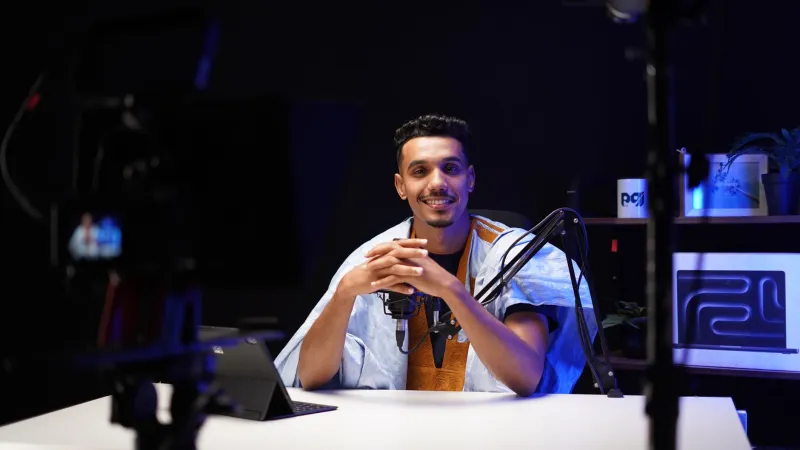
Here's the trap most creators fall into without realizing it: the hunger for authenticity from audiences is real, so creators respond by manufacturing it. You get the tearful car confession video. The "I almost quit" thread on X. The Instagram story that's shaky-camera-on-purpose.
None of that is fake in the sense that the emotions aren't real. But the framing? The timing? The decision to hit record at that moment and not thirty minutes earlier when it was genuinely ugly? That's all craft. That's all choice.
And audiences in 2024 are remarkably good at sniffing out the gap between a feeling and a feeling that's been packaged for consumption. They don't always have the language for it. They might just say something feels "off" or that a creator seems "different lately." But what they're sensing is the seam — the place where the human ended and the content began.
Why We Started Weaponizing Vulnerability
It didn't come from nowhere. Platforms rewarded emotional content. Algorithms pushed videos that made people feel something. Brands started paying creators who had "real" audiences — meaning audiences who trusted them enough to buy what they recommended. So the financial incentive became: be vulnerable, build trust, convert trust into income.
That's not inherently wrong. People have always turned their experiences into art, into books, into stand-up sets. The issue is the speed and the volume. When you're expected to produce vulnerability on a weekly — or daily — content schedule, you start mining your life for material rather than living your life and occasionally sharing what comes out of it.
The result is creators who are emotionally overextended, audiences who feel vaguely manipulated without knowing why, and a content landscape where everyone's crying on camera but nobody's actually connecting.
What Your Audience Is Actually Looking For
Here's the thing people get wrong about authenticity: your audience doesn't actually need you to share everything. They need you to mean what you share.
There's a massive difference between a creator who talks about their anxiety because it's genuinely part of their story and helps them connect with people who feel the same way — and a creator who drops a mental health post because engagement spikes when they do. The first one builds community. The second one builds an audience that eventually feels used.
American audiences especially have a finely tuned radar for this. We grew up watching reality TV manufacture drama, watching politicians perform relatability, watching celebrities craft everyman personas from behind PR teams. We've been trained to look for the tell. And when we find it in a creator we thought was different, the disappointment hits harder than it would with anyone else — because we thought this one was real.
The Framework That Actually Works
So what does genuine connection look like when you're also building something — a channel, a brand, a career? Here's how to think about it:
Share after you've processed, not while you're bleeding. There's a difference between sharing something that happened and something that's still happening in a way you haven't made sense of yet. The first can be generous and grounding. The second is usually just chaotic for everyone involved, including you.
Let some things stay yours. Not everything needs to be content. The creator who never shares anything personal feels cold and distant. But the creator who shares everything feels hollow — because if everything is public, nothing feels sacred, and audiences can tell. Keep some things for yourself. It actually makes what you do share feel more meaningful.
Be honest about the edit. This sounds counterintuitive, but some of the most trusted creators are the ones who acknowledge that they're curating. Saying "I'm only showing you part of this" is more honest than pretending the camera caught something unplanned. Audiences respect the acknowledgment. It's the pretense that grates.
Check your motive before you hit record. This one's simple but hard. Before you post the emotional thing, ask yourself: am I sharing this because it's true and it matters, or am I sharing this because I think it'll perform? Both can coexist, and that's okay — but if the answer is mostly the second one, sit with it a little longer.
The Paradox You Have to Live With
Here's where it gets genuinely complicated: there's no clean way out of this. The moment you become aware of how authenticity works as a content strategy, you can't un-know it. Every real moment you share will now come with the awareness that it's also content. That's just the reality of building a public presence.
What you can do is stay honest with yourself about what's driving you. The creators who last — who build audiences that stick around for years, not just until the next shiny thing — tend to be the ones who've made peace with the paradox. They know they're performing and they're being real. They don't pretend the camera isn't there. They just make sure that when it's on, they're not saying anything they don't actually mean.
That's the line. Not between public and private. Not between emotional and professional. It's between meaning it and not meaning it.
And weirdly, the best way to be authentic in 2024 might just be to stop trying so hard to prove you are.